
The Devotional Journey: Bible Reading 71
Yahweh reminds Israel that He protects and leads them
Read Numbers 9:1–23.
A year had passed since Yahweh miraculously rescued Israel from Egypt. He reminded the people it was time to celebrate the Passover. This would be the first celebration since the actual event and it was to be on the 14th day of the first month (called Abib, which is between March and April in our calendar. Later on in history, Abib would be also called Nisan due to Babylonian influence).

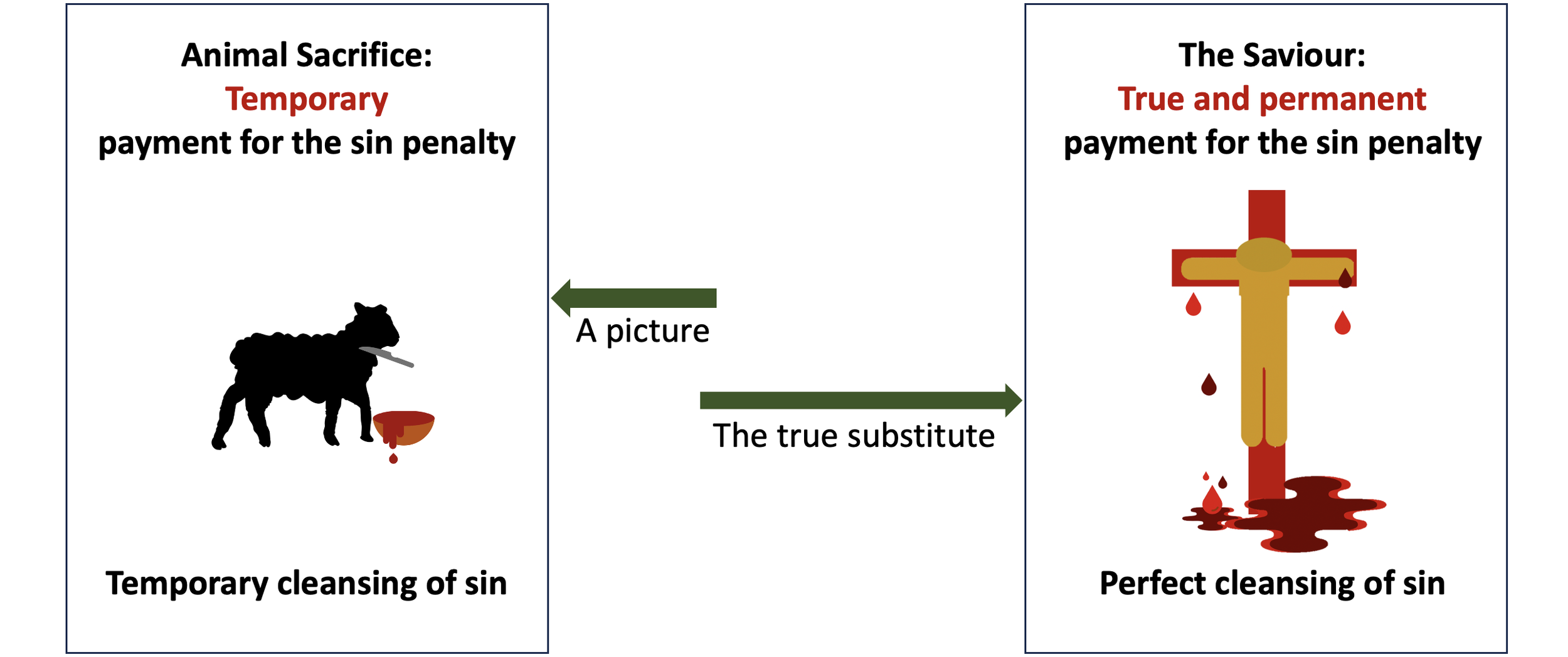
The lamb and the unleavened bread (bread without yeast) of the meal reminded Israel of how Yahweh saved all their firstborn sons and animals from death. God had accepted an innocent lamb dying in the place of the firstborn sons. The Passover meal not only looked back at what God did but also looked ahead to His future provision of the promised Saviour, who would come to be the sufficient substitute, dying in place of sinful mankind. In fact, the gospel of John refers back to Numbers 9:12, to the instruction not to break any bones of the sacrificial lamb.
John 19:36 records that the Saviour, the sacrificial Lamb of God, died on the cross without having his bones broken and this fulfilled the picture of the Passover lamb not having its bones broken. God was foreshadowing the work of the Saviour in the feast of the Passover so people would make the connection that Jesus is the real substitute.
And the bread without yeast reminded them of how God wanted them to break away from the old life of sin in order to live by God’s good ways every day.
But there was a practical problem. Some men approached Moses to say that they had recently handled a dead body. They were considered ceremonially unclean, meaning they could not participate in the Passover. What should they do?
Though Moses was the leader, he wasn’t hasty in his response. Instead, he went to speak to Yahweh at the Tabernacle, the portable tent of worship. In Numbers 7:89, the Bible recorded that Moses would regularly go to the Tabernacle to speak with Yahweh and God responded audibly to Moses’ questions. So now, Moses did the same and went to speak with Him. This showed how Moses as the leader did not handle problems based on his own ideas, but relied on Yahweh’s guidance. And so God gave him instructions.
God said to allow the men to celebrate the Passover one month later, when they would be considered ceremonially clean. God also allowed Israelites who were travelling during the Passover to celebrate it one month later. In this way, no Israelite would miss the opportunity to celebrate the Passover annually.
We see that while God was meticulous about how Israel should live, He was also kind, making provisions due to special circumstances. God also allowed foreigners who wanted to celebrate the Passover to participate but the requirement was that they first had to become Jewish as prescribed in the Mosaic Law. This meant that foreign men had to be circumcised because only circumcised males could take part in Passover.
But any Israelite who wilfully neglected the Passover would be cut off from the community. Israel’s national identity was shaped by remembering who Yahweh was to them. The Passover was so significant that Yahweh often identified Himself as “the God who rescued you from Egypt”. He wanted Israel to keep being grateful for who He was and what He had done for them.
While the Passover was about looking back in thankfulness, the next instructions were about looking ahead for God’s continued guidance.

Yahweh directed when and where the nation would go by His personal presence as represented by the column of cloud by day and the column of fire by night. His presence hovered over the most important room of the Tabernacle, the Holy of Holiness, the square-shaped closed room where the Ark of the Covenant was kept. Day or night, His presence was a constant reminder that He was with His people. If Yahweh wanted the nation to move to a different location, the cloud would move and the people packed up their belongings, broke camp and followed.
Christians can learn two lessons from today’s passage. First, we should regularly reflect and be thankful for all that God has done for us. He provided the Saviour for us, He took care of our sin problem and brought us into a relationship with Him.
Second, He offers His continued presence and guidance to us. It may seem nice to be able to see God’s presence physically in a column of cloud. But God did that to direct an entire nation who were living and moving together. Today, believers in Christ are all over the world, so instead of a visible presence, God the Holy Spirit resides in each of us. Just as Moses could go to God and ask for instructions, we also have direct access to God for His Spirit lives in us. We too, can ask God in prayer for guidance. And we have God’s Word, recorded for us to teach us how to live in ways that honour Him.
We worship a God who is ever present in our lives. Let us continually thank Him for what He has done and continues to do in our lives, and let us make it a habit to continually turn to Him and His Word for guidance.