
The Devotional Journey: Bible Reading 73
Yahweh allows the Israelites to scout out the land of Canaan
Read Numbers 13:1–33.
At Yahweh’s command, the Israelites broke camp and headed to the southern part of the Promised land, to a place known as Kadesh-Barnea. They were supposed to enter Canaan from here. This was an important moment for them as God was acting on His covenant promises to Abraham to give his descendants the land.
The Bible tells us that the people wanted to survey the land first. In the book of Deuteronomy (the last book that Moses wrote), Moses recorded that the original idea to spy out the land came from the people. Yahweh agreed to their request and told Moses to choose 12 men, one from each tribe of Israel. They would go on this survey trip.

Deuteronomy 1:19–25
[19] “Then, just as the LORD our God commanded us, we left Mount Sinai and traveled through the great and terrifying wilderness, as you yourselves remember, and headed toward the hill country of the Amorites. When we arrived at Kadesh-barnea, [20] I said to you, ‘You have now reached the hill country of the Amorites that the LORD our God is giving us.
[21] Look! He has placed the land in front of you. Go and occupy it as the LORD, the God of your ancestors, has promised you. Don’t be afraid! Don’t be discouraged!’
[22] “But you all came to me and said, ‘First, let’s send out scouts to explore the land for us. They will advise us on the best route to take and which towns we should enter.’
[23] “This seemed like a good idea to me, so I chose twelve scouts, one from each of your tribes. [24] They headed for the hill country and came to the valley of Eshcol and explored it. [25] They picked some of its fruit and brought it back to us. And they reported, ‘The land the LORD our God has given us is indeed a good land.’
In July, these 12 men entered the land to see what it was like (Verse 20 says it was the season of the first ripe grapes, which is around July). It was filled with good and plentiful food! They gathered pomegranates, figs and a cluster of grapes so huge that two men had to carry it on a pole!

Forty days later, when the 12 men retuned to give a report, it almost seemed as if the scouts had gone to two different places!
Ten of them gave a bad report. They admitted that the land was wonderful, flowing with milk and honey, meaning that it could sustain lots of livestock and animals and also, there was plenty of fruit trees and vegetation. They even showed the fruits they had brought back. (Notice how this description matched what Yahweh had already told them. They actually didn’t need to investigate as God had told them what it was like!)
However, the scouts added that Israel wouldn’t be able to conquer the people of the land. One of the people groups was extremely tall, so they seemed like giants to the ten men. The ten scouts told the people they shouldn’t enter the land for Israel would be defeated. (Notice how this assessment didn’t agree with what God had promised to do for Israel! Their fear made them distrust Yahweh.)
One of the other two remaining scouts, Caleb, said they could and should go into the land. They would definitely be able to conquer it! Both Caleb and Joshua shared the same perspective.

Why was there such a difference in the reports by the scouts?
All the men had seen Yahweh at work at the time of the Exodus. All of them experienced God supernaturally using natural forces to show His power to Egypt during the 10 plagues. All of them experienced how Yahweh had led them out of Egypt without a single loss of life. All of them saw God stop the Egyptian army from capturing them at the Red Sea.
Caleb (and Joshua) knew what Yahweh was capable of. They had seen and experienced Him! They trusted that just as God had defeated the Egyptian army, He would easily defeat the Canaanites. They focused on who Yahweh is and His history and track record. This gave them the faith and courage to say that they could and should enter the land. With God, they would win! Their faith was built on Yahweh’s demonstrated character.
On the other hand, the remaining scouts focused on the threat: the enemies seemed so big! Their cities were so well fortified! They focused on their fear. They focused on their emotions and made a decision based on feelings rather than truth. They blocked out all memories of Yahweh and what He had already done for them. They chose not to trust God’s Word and His promises to them. Unbelief in the life of God’s people is serious because it challenges the character of God and rebels against His will.
When we are faced with choices, do we focus more on our feelings or do we focus on our God? Are our eyes set on the threat and challenge ahead of us or are our eyes set on God and what He has already done and can do?
Let us learn from Caleb. He knew what Yahweh had promised: God would lead them into the land. God would win the battles for them. He chose to trust in Yahweh. He remembered what God had already proven: He is all-powerful and all-loving. He is their God. And Caleb’s choice was to do as God said: move into the land. Caleb exercised a faith that was based on a reliable track record of God.
Think about the choices that lie before you. Pray to God about these choices. Ask God to guide you on the decision to be made. Is God guiding you to make the choice that seems very hard? If so, review the kind of God that He is. Is Yahweh a promise-making, promise-keeping God? Is He all-powerful? Is He all-loving? What is His track record like? When our faith is being tested by a tough situation, pray and ask God to help you be like Caleb instead of the ten faithless men.
Archaeological Note
Canaan was the ancient name of the Promised Land that Yahweh promised to Abraham and his descendants. In a collection of ancient clay tablets known as the Amarna letters, written between the representatives of Canaan and Egypt, the name “Canaan” was used to refer to the land that would later be called Israel.
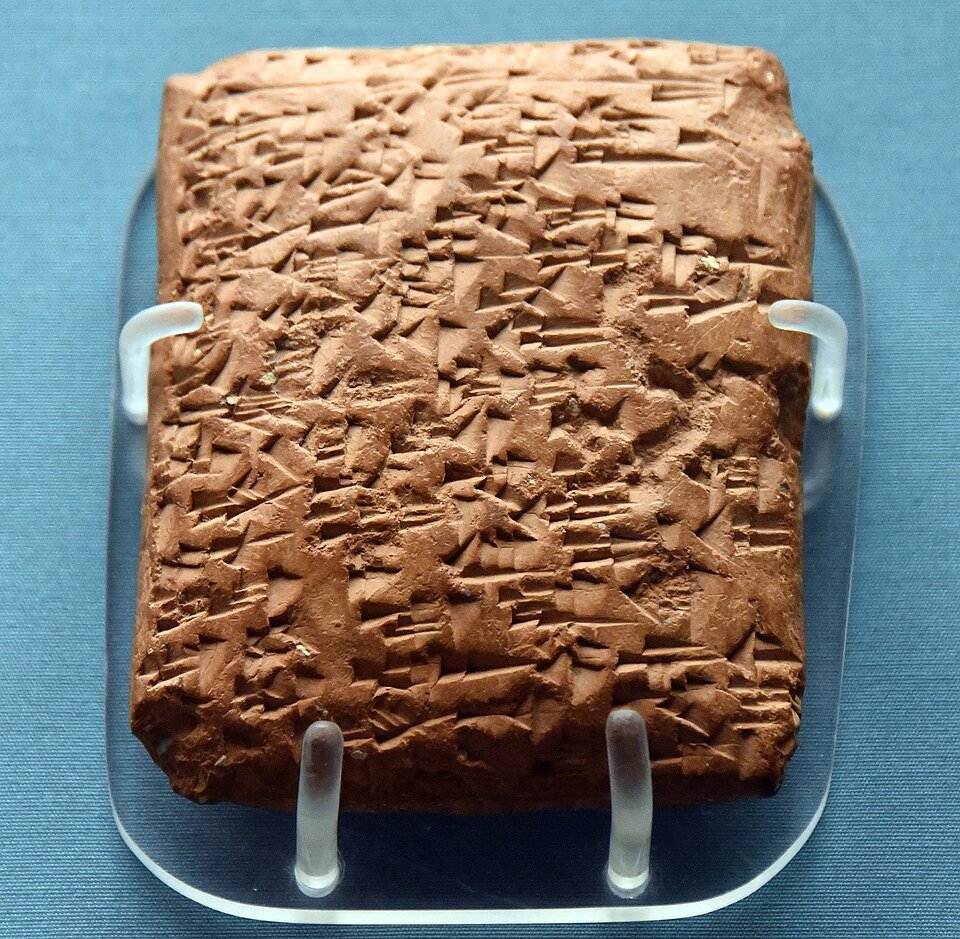
An example of the Amarna Letters, written in Canaanite alphabetic cuneiform script. Photo by Osama Shukir Muhammed Amin FRCP(Glasg) - Own work, CC BY-SA 4.0. Wikimedia Commons.
At the time when Israel reached the borders of Canaan, the Canaanite culture was at its strongest and most influential. Excavations at several sites reveal strong, fortified towns and cities, a semi-agricultural economy and the worship of false fertility gods like Baal, Asherah and Ishtar. These idols were worshipped at specially constructed high places or at sacred trees. There was gross immorality and lots of pagan practices by the peoples of Canaan. The Canaanite beliefs, culture and paganism were a direct contrast to Yahweh and the way of life He gave to Israel.
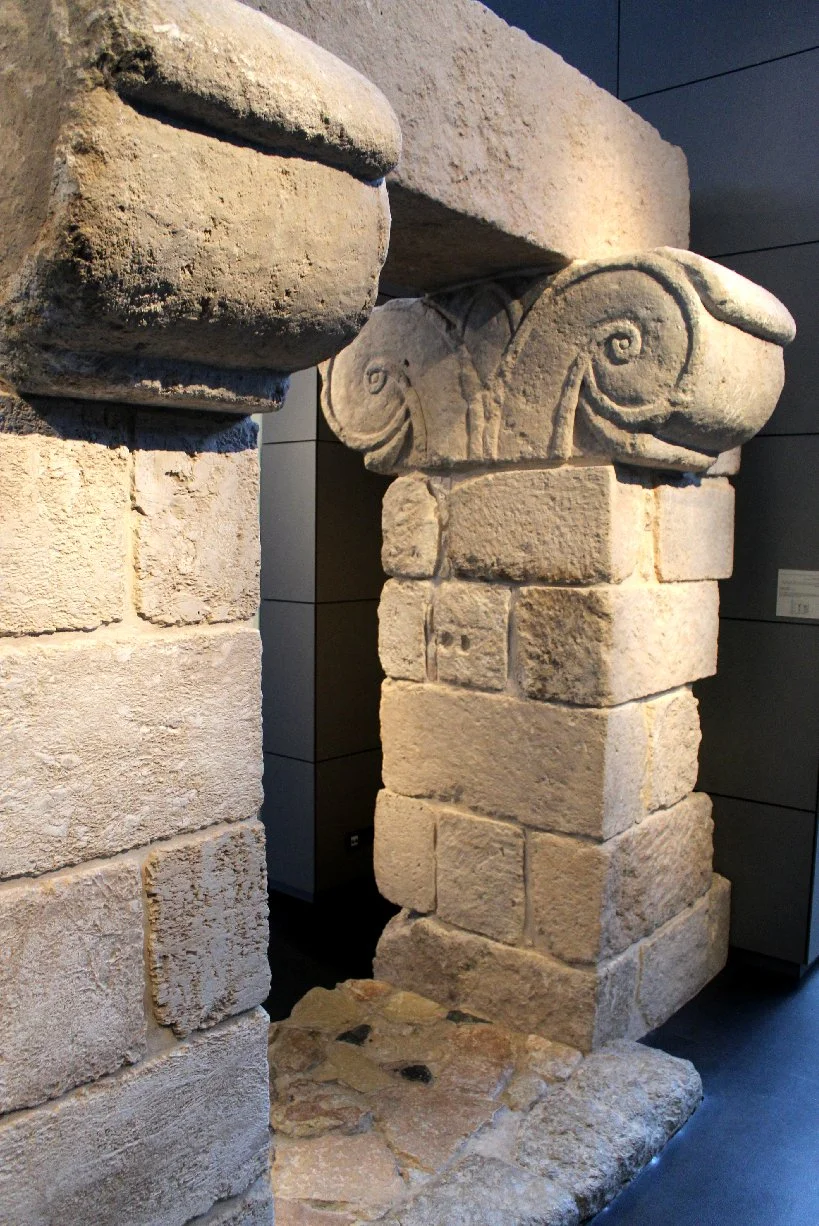
Royal fortress gate found at Hazor in northern Canaan. This is an example of the fortification that the Israelites encountered. Photo by By Davidbena - Own work, CC0. Wikimedia Commons.