
The Devotional Journey: Bible Reading 79
Remember Yahweh’s faithfulness
Read Psalm 78.
This psalm was written later in history by Asaph, one of King David’s three chief musicians (1 Chronicles 15:16–17). It emphasised the importance of passing on to the next generation Yahweh’s record of mighty works. Asaph also urged his generation to keep the Mosaic Covenant that Yahweh had made with Israel.
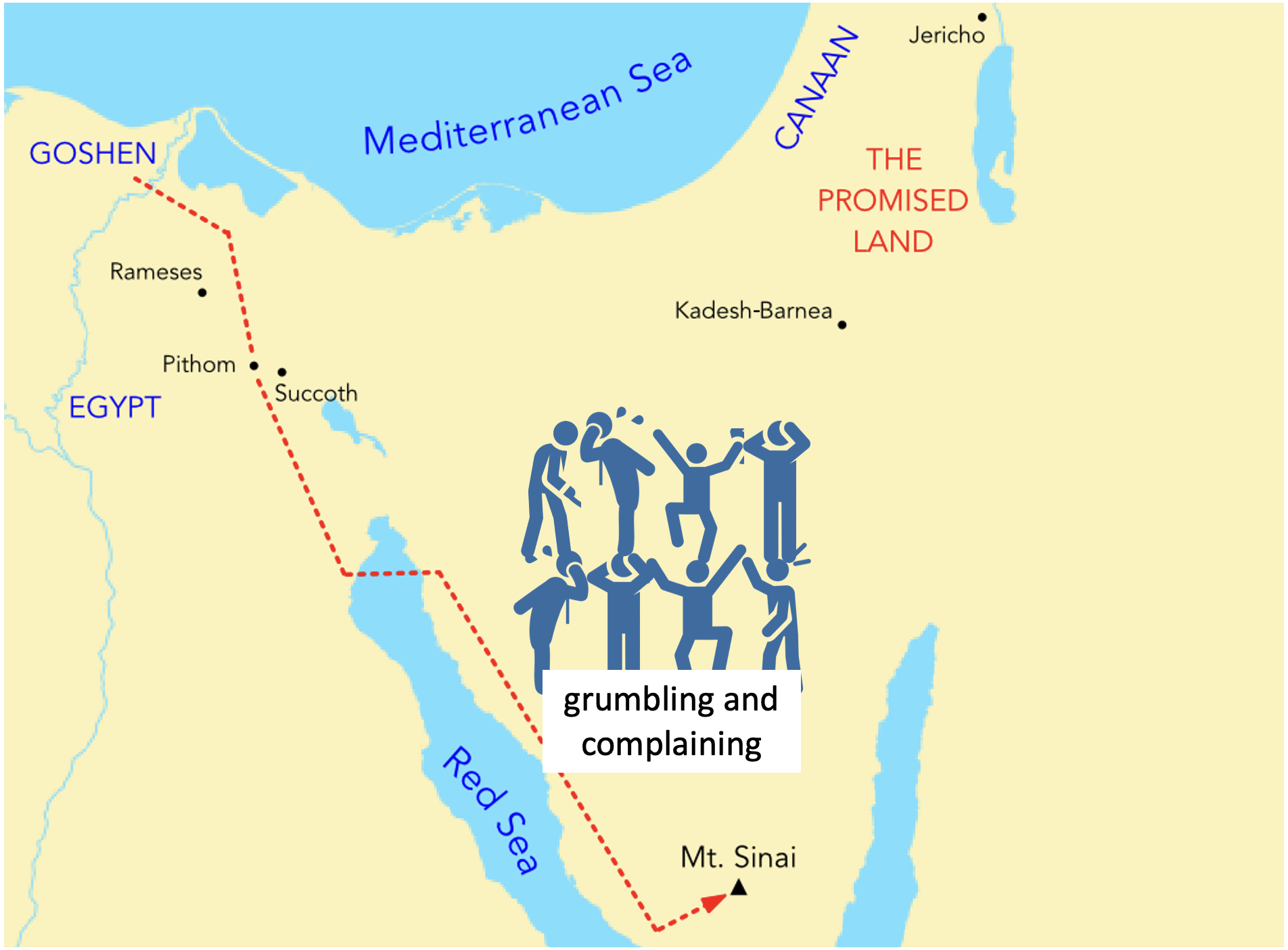
Asaph warned about the dangers of forgetting God’s works. He wrote about the earlier generations who had rebelled, including the Exodus generation who was punished in the wilderness. (This generation will be our focus since we’re still going through their history. We’ll look at the other generations in future readings.)
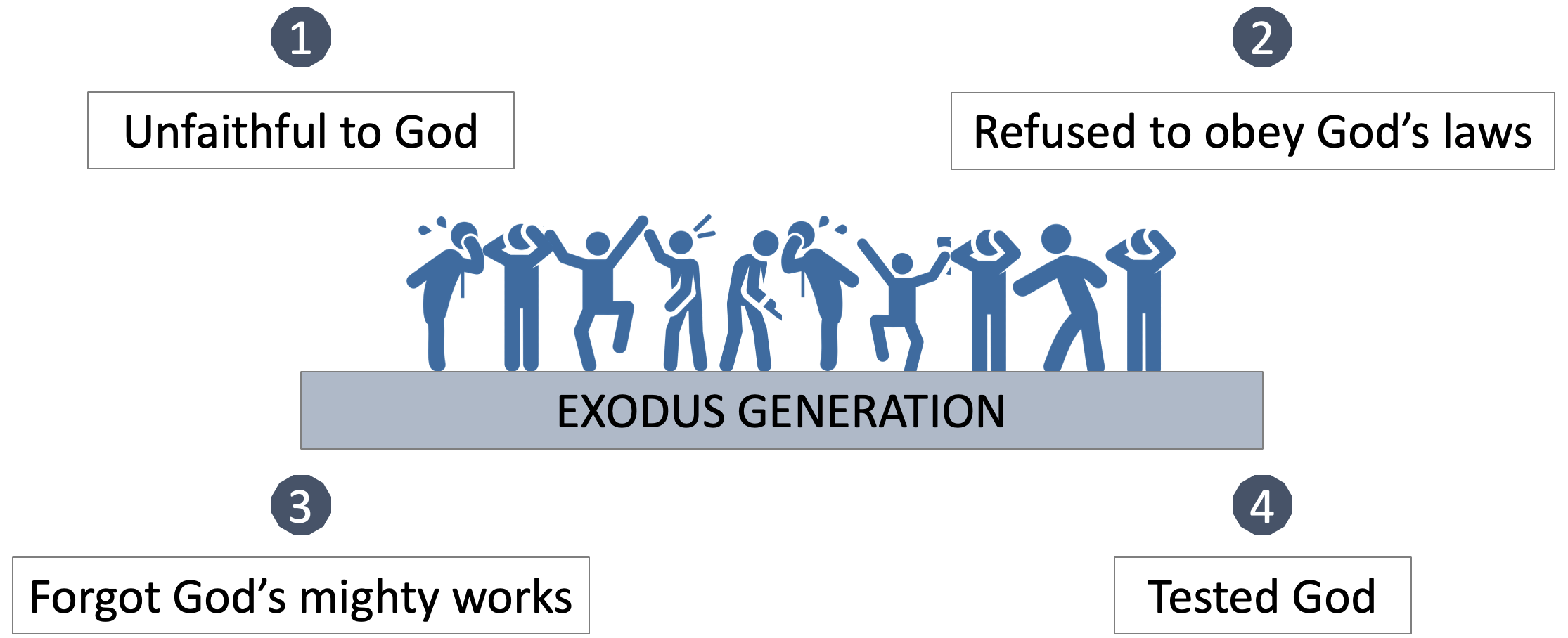
In the last few readings, we’ve seen Israel complain, rebel and be stubborn. Asaph listed the reasons why.
The spirits or hearts of the people were not faithful to Yahweh (verse 8).
They refused to obey God’s law (verse 10).
They forgot the mighty works God had done for them (verses 11–12).
They foolishly tested the limits of God’s patience (verse 18).
The people were not faithful to Yahweh (Verses 4–8)
Why were the people unfaithful? It started when they weren’t grateful for what God had done. Then they forgot His acts and this lead to being unfaithful.
The people refused to obey God’s law (Verse 10)
Individuals, families and the society will thrive when each person lives by God’s law. That was how Israel was supposed to function. But instead, the people refused to live by His laws. They thought they knew better and rebelled. The consequences were serious. God punished the nation again and again.
The people forgot what God had done for them (Verses 11–12)
Yahweh demonstrated His power against the false gods of Egypt. He miraculously rescued them from their slave masters. In the wilderness, He provided food and water for 38 years. He protected them from enemy nations. But the people forgot all of this. They not only rebelled, they invented their own gods, gave credit to these idols and turned their backs on Yahweh.
God rightfully punished them. For their disobedience, He could’ve wiped them out completely. Several times He threatened to do just that. But He also exercised mercy and refrained from destroying Israel. He punished them to show how He had standards and how He would get rid of evil permanently one day, but He also showed mercy by sparing the nation from utter destruction.
Even in discipline, God was teaching Israel His character: He is a God who is merciful but He will by no means excuse the guilty (Exodus 34:7).
Psalm 103:8–10
[8] The LORD is compassionate and merciful,
slow to get angry and filled with unfailing love.
[9] He will not constantly accuse us,
nor remain angry forever.
[10] He does not punish us for all our sins;
he does not deal harshly with us, as we deserve.
The people foolishly tested God’s patience (Verses 17–20)
The Israelites in the wilderness provoked God by acting as if He were uncaring, incapable or evil. God punished them for this poor attitude.
In the New Testament, the apostle Paul warns us not to be like this Exodus generation.
1 Corinthians 10:9–11
[9] Nor should we put Christ to the test, as some of them did and then died from snakebites. [10] And don’t grumble as some of them did, and then were destroyed by the angel of death. [11] These things happened to them as examples for us. They were written down to warn us who live at the end of the age.
This is why it’s important to read all of Scripture. God has spiritual lessons from history to teach us.
Let’s reflect on our lives and attitudes towards God. Our complaining often has its roots in one of these four causes.
Have we been faithful to God?
In our daily lives, do we live in a way that honours God, keeps His commands to love Him and our neighbour as ourselves (Matthew 22:37–40)? Do we conscientiously teach our children, loved ones and family members about God so they can also learn to love Him and be faithful to Him (verses 1–7)? If not, how can we reorder our lives so we can be personally faithful and also teach our family about God? Talk to God about how to reorder your life.
Have we obeyed God’s Word in every area of our lives?
God wants us to thrive in our family relationships, at school, at work and the other areas of our lives. Are we floundering or facing difficulties? Bring these areas to God in prayer and ask Him to reveal where you haven’t applied His Word.

Have we been regularly recalling God’s character by refreshing our minds through the reading of His Word?
Have we also reviewed how God has taken care of us? When our memory of God’s character and actions fade, our gratefulness also fades. Be determined to change this by returning to a daily habit of reading the Bible carefully and also keeping notes (perhaps in a journal) of how God has acted in our lives. A thankful heart leads to a humble, grateful attitude towards God.

Have we been testing God?
Have we even thinking that God is small, petty or mean-spirited? Do we think He’s been a poor provider or withholding blessings we deserve? Talk to God about this. Remember that though He loves to lavish His children with blessings, He does have standards for His people and He uses trials to grow us. How have we been acting? Have we been faithful?
When complaints against God rise up in our minds or to our lips, let’s quickly stop ourselves and prayerfully look for the root cause and dig it out from our lives.